

Cell 29, Baihuayuan, Panzhuang, Zhangdian, Zibo, Shandong, China
Views: 0 Author: Site Editor Publish Time: 2025-08-14 Origin: Site


Problems in the supply chain and inflation make things cost more. They also slow down deliveries.
Not enough workers makes things less efficient. Rules and tariffs from other countries make planning harder.
To solve these problems, manufacturers need good partners. They use new technology. They manage their inventory well. These plans help them give good products on time. They also keep the supply chain strong.
Good teamwork between manufacturers and distributors keeps parts moving fast. It also helps fix problems quickly.
Technology like real-time tracking, barcodes, and alerts helps manage inventory. It also helps stop delays.
Quality checks and certifications make sure parts are safe and reliable. Customers and repair shops trust these parts.
Smart warehousing and flexible delivery plans help ship parts faster. They also keep parts ready when needed.
Clear communication and good customer support build trust. This helps distributors serve their customers better.
Good partnerships help the supply chain work well. These connections make sure Auto Body Parts keep moving, even when things change. Manufacturers pick distributors who have a good name and strong links in the industry. They want partners who give steady service and can be flexible with payments. It is important that they talk clearly about new products or changes.
Tip: When manufacturers and distributors work together for a long time, they can plan better. They share news and fix problems fast. This teamwork means fewer delays and better help for customers.
Manufacturers help distributors by giving special deals and letting them see new products first. They also join in marketing together. They spend money to make better products and check quality. By working as a team, they can answer customer needs faster and keep the supply chain strong.
Wholesale distributors are very important in the Auto Body Parts supply chain. They buy lots of parts from manufacturers and keep them in big warehouses. This helps them send parts to stores and repair shops quickly. Distributors do more than just move parts. They help by giving technical support, training, and help after sales.
Value-Adding Activity | Description |
|---|---|
Intermediary Role | Distributors link manufacturers with many stores and repair shops. They keep local markets stocked. |
Logistics & Delivery | They run warehouses and trucks to deliver parts every day. They try to be fast and always have parts ready. |
Buying Groups | Some join groups to get better prices and share delivery work. This saves money. |
Technical Support | Distributors give guides, training, and phone help so customers use parts the right way. |
Market Presence | Big companies like NAPA and LKQ show how large and wide top distributors are. |
Distributors use smart systems to track parts, handle returns, and manage warranties. Many offer same-day delivery so repair shops do not have to wait. By staying close with manufacturers, they help the supply chain run smoothly.
Good inventory coordination helps Auto Body Parts arrive on time. Distributors and manufacturers use technology to watch stock levels and know when to order more. Automatic alerts tell them when supplies are low. This stops them from running out or having too much. Tools like barcodes and RFID tags help find and count parts easily.
Here are some best ways to manage inventory:
Use automatic alerts for low stock so you never run out.
Link inventory with sales and buying systems for correct records.
Check inventory often to find mistakes early.
Use clear labels and colored bins to find parts fast.
Use smart tools to guess what parts will be needed and change stock.
Connect supplier and order systems to get new parts faster.
Note: Seeing inventory in real time helps everyone make better choices and react fast when demand changes.
By using these steps, manufacturers and distributors keep the right parts ready, avoid delays, and make customers happy. This teamwork keeps the supply chain strong from the factory to the customer.
Manufacturers use strong quality checks to make sure each part is good. They look for scratches or dents by checking the parts with their eyes. They use tools to measure parts so they fit right. Statistical Process Control helps watch for changes during making parts. Teams use Failure Mode and Effect Analysis to find and fix problems early. End-of-line testing checks if the part works and is safe. Non-destructive testing, like using sound waves or X-rays, finds hidden problems without breaking the part. Automated Optical Inspection uses cameras to find small mistakes. Accelerated Life Testing acts like years have passed to see how long a part will last. Supplier Quality Management makes sure all materials from others are good.
Quality control makes sure Auto Body Parts are safe and ready to use.
Certifications show that manufacturers follow important rules for quality. The most well-known certifications are:
CAPA (Certified Automotive Parts Association): Checks quality and safety for replacement parts. Insurance companies and repair shops trust this.
ISO 9001: Sets world rules for managing and improving quality.
ISO/TS 16949: Focuses on cars, stopping mistakes and cutting waste.
NSF Certification: Makes sure parts are as good as original equipment.
Certification | Focus Area | Importance |
|---|---|---|
CAPA | Replacement Parts | Trusted by insurers and repair shops |
ISO 9001 | Quality Management | Global standard for improvement |
ISO/TS 16949 | Automotive Quality | Prevents defects, reduces waste |
NSF | OEM Standards | Ensures safety and performance |
These certifications help manufacturers show they care about quality and help distributors trust them.
Manufacturers must follow many rules to keep people and nature safe. Compliance rules cover things like dangerous waste, air pollution, and safe use of chemicals. Factories must handle waste and control smoke to follow the law. Distributors need suppliers who follow rules so they do not get in trouble and can sell safe products. These rules change how Auto Body Parts are made, moved, and sent out. Following compliance rules helps save money, makes better parts, and keeps the supply steady.

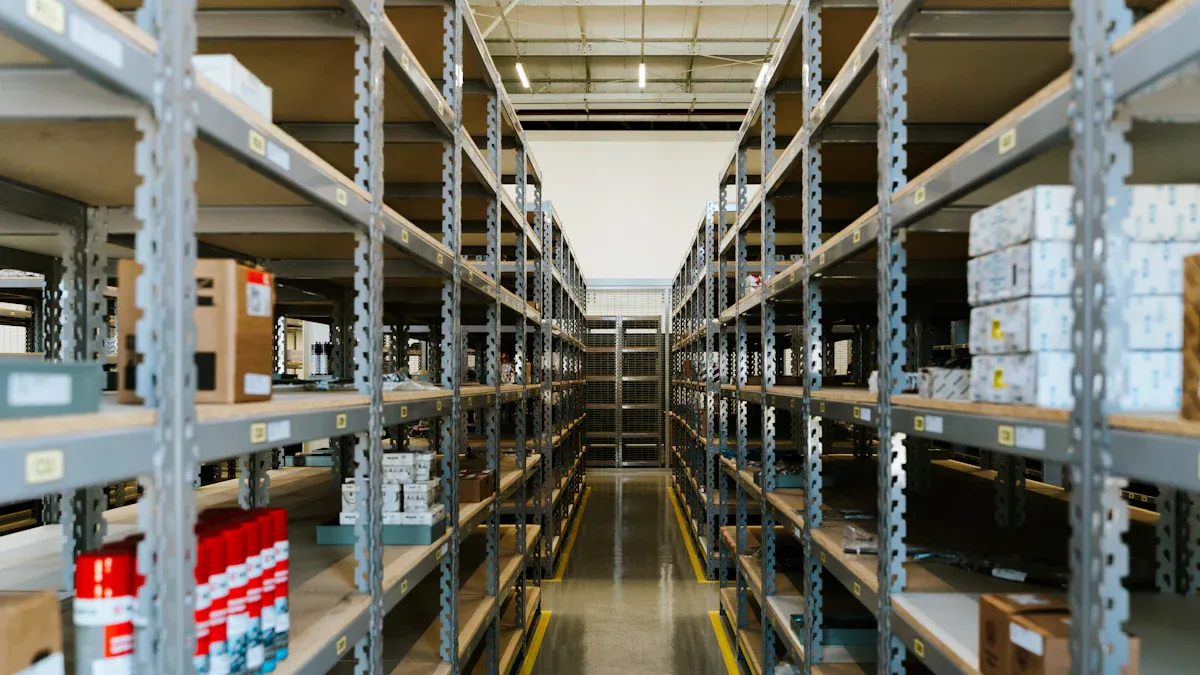
Warehousing is very important for auto body parts. Manufacturers and distributors pick warehouse spots near factories. This helps them store parts just in time and refill quickly. Climate-controlled buildings keep sensitive parts safe from harm. Good layouts use space well and make things safer. Many companies let others manage their inventory to keep less stock and save money. Warehouse Management Systems help track parts right away, automate jobs, and use barcodes for accuracy.
Warehouses are close to where parts are made
Climate control keeps parts safe from damage
Smart layouts use space and keep workers safe
Inventory management is sometimes done by other companies
Warehouse Management Systems help track and automate work
Quality checks make sure parts are good
Automated picking and conveyor belts make work faster
Reverse logistics help with returns and recycling
Some warehouses offer kitting and custom packaging
Data is shared in real time across the supply chain
Energy-saving lights help the environment
Tip: Warehouses that use machines and real-time tracking send parts faster and make fewer mistakes.
Shipping plans help parts arrive quickly and on time. Companies use computers to watch shipments and change routes fast. Software helps pick the best way to ship and groups cargo together. Working with shipping companies and online markets makes things smoother and faster. Planning ahead helps avoid problems and keeps deliveries on track. Different shipping methods like FCL, LCL, and RoRo help send big or small shipments on time.
Fast shipping needs smart computers and good teamwork with shipping companies.
Special delivery schedules help distributors get parts when they need them. Companies offer many choices like fixed routes, scheduled, express, overnight, same day, on demand, and bulk deliveries. The choice depends on how far, how fast, how big, and how urgent the part is. Special services use custom packaging for big or fragile parts. Fast options help meet tight deadlines and keep parts moving. Tools like RFID, GPS, and route planning help track parts and set delivery times.
Sequenced Parts Delivery sends parts in the right order and time for assembly.
Production planning and EDI help suppliers get ready for timed shipping.
Line-side delivery lowers costs and makes handling easier.
SPD helps track batches and saves time searching for parts.
Flexible schedules help with different models and urgent orders.
Note: Smart scheduling helps distributors give customers what they want and keeps the supply chain strong.
Auto body parts manufacturers and distributors use advanced order systems. These systems help move products quickly and correctly. Many companies use Warehouse Management Systems, barcodes, and RFID to track inventory. These tools also make picking and packing faster. Workers use handheld devices to scan items and update tasks right away. This helps cut down on mistakes.
Order Management System Type | Description |
|---|---|
Warehouse Orders (Pick Tickets) | Shows what is in stock, order totals, and prices for warehouse work. |
Point-of-Sale Counter Orders | Makes invoices, figures out taxes, and updates inventory right away. |
EDI/Web Order Modules | Turns online and EDI orders into pick tickets and links with outside catalogs. |
Remote Branch Store Buy-out Orders | Handles orders and moves inventory between branches with real-time accounting. |
Hub & Spoke Management | Balances stock and returns between locations automatically. |
B2B and B2C e-Commerce Platforms | Lets customers order and get service with real-time updates and smart features. |
These systems make order picking 50% more accurate. They also double the number of orders handled each day. Companies see 80% fewer customer support problems and save money by working better.
Real-time tracking lets distributors see where parts are at all times. RFID and sensors show how parts move and how much is in stock. This helps companies react fast when demand changes. It also stops them from running out of parts. Distributors can watch returnable packaging and keep track of assets. This saves money and cuts down on waiting.
Real-time tracking makes deliveries faster and more reliable. It also lowers storage costs by moving inventory faster and helps guess what is needed.
AI tools look at data to find risks, balance stock, and pick the best delivery routes. These tools help keep costs low and make sure parts are always available.
Platform integration links different systems so information moves easily. Companies get better control over products, costs, and inventory. Automation cuts down on manual work and mistakes. Real-time part updates let workers know what is in stock right away.
Better control and view of making and storing parts.
Improved supply chain with better guesses and shorter wait times.
Data stays correct with automatic transfers and fewer mistakes.
Saves money and works better by sharing data.
Easier to follow rules and track products from start to finish.
Platform integration makes work smoother, saves time, and keeps customers happy for both manufacturers and distributors.
Transparent ordering helps manufacturers and distributors trust each other. Companies use easy online portals and order systems. These tools show inventory, prices, and delivery times right away. Distributors can see if parts are in stock before ordering. This helps stop mistakes and saves time. Automatic order updates keep everyone in the loop. When distributors see each step, they plan better and avoid problems.
Tip: Tracking orders in real time helps distributors act fast. It also helps them manage their inventory better.
Good customer service makes top auto body parts suppliers stand out. Teams answer calls fast and do not make customers wait. Easy return rules help distributors sell parts again quickly. Pricing plans based on sales speed keep prices fair. Dealer counter staff give quick quotes for parts and delivery. Companies work with local wholesalers to deliver faster and save money. Talking often, flexible payments, and thank-you notes build strong partnerships.
A strong CRM system helps with these jobs. It tracks problems, handles promotions, and makes sales easier. This system helps teams reply faster and keeps service steady. Companies that focus on customer service get happier distributors and more loyalty.
Technical support helps distributors use parts the right way. Manufacturers give training, guides, and phone help. Skilled staff answer questions and share installation tips. Distributors get news about new products and rule changes. Some companies offer online help like videos and FAQs.
Support Service | Benefit |
|---|---|
Training Sessions | Helps people learn about products |
Phone Support | Fixes urgent problems fast |
Online Resources | Gives help any time |
Technical support helps distributors feel sure and serve customers well. Good support lowers mistakes and keeps the supply chain strong.
A good supply of Auto Body Parts needs strong teamwork, smart technology, and special delivery plans. Companies use AI to guess what parts people will need. They also use machines to do jobs and watch inventory all the time. These actions help move parts faster, save money, and make customers happy.
Best Practice | Benefit |
|---|---|
Long-term partnerships | Reach more stores and shops |
AI-driven forecasting | Less running out, saves money |
Tailored logistics | Quicker and steady deliveries |
Wholesale distributors should pick manufacturers who make good parts, talk clearly, and can change how they supply parts.
Manufacturers use smart warehouse systems and real-time tracking. They put warehouses close to factories. They make delivery plans by looking at demand. This helps distributors get parts fast.
Tip: Real-time tracking helps companies stop delays and keep customers happy.
Companies use barcode scanners, RFID tags, and automatic alerts. These tools watch inventory and update records right away. Distributors know when to order more and do not run out.
Technology | Benefit |
|---|---|
RFID | Tracks parts |
Barcodes | Speeds sorting |
Alerts | Prevents stockouts |
Certifications show that parts are safe and high quality. Distributors trust certified products. Insurance companies and repair shops pick certified parts because they work well.
Note: CAPA and ISO 9001 are popular certifications in auto body parts.
Manufacturers give training, technical guides, and phone help. Distributors get help with installing and learning about new products. Customer service teams answer questions and fix problems fast.
Training sessions
Online resources
Phone support


