

Cell 29, Baihuayuan, Panzhuang, Zhangdian, Zibo, Shandong, China
Views: 0 Author: Site Editor Publish Time: 2025-09-17 Origin: Site


Is your Landwind engine underperforming? Faulty parts can cause serious issues. Replacing Landwind parts correctly saves time and money. In this guide, you will learn how to identify worn components, choose the right parts, follow proper replacement steps, and maintain your engine for long-term reliability.
Engines communicate issues through sounds and behavior. Knocking, rattling, or unusual noises often indicate worn crankshaft bearings, piston rings, or connecting rod bearings. Rough idle, misfires, or difficulty starting may point to spark plugs, ignition coils, or fuel injectors needing replacement. Ignoring these signs can worsen damage and increase repair costs, so careful observation is critical.
Excessive oil consumption, visible leaks, or coolant mixing with oil signals that seals or gaskets are failing. White smoke from the exhaust or engine overheating also highlights urgent issues. Addressing these problems promptly prevents further engine damage and ensures vehicle safety, keeping repair costs under control.
Reduced power, poor acceleration, or decreased fuel efficiency often indicate internal engine wear. Dashboard error codes or check-engine lights serve as additional alerts. Early recognition of these symptoms allows timely replacement of Landwind parts and avoids complex engine failures that are expensive to repair.
Using your vehicle’s VIN ensures that you source the exact components for your engine. Each Landwind model may have subtle variations in parts, so compatibility is crucial. Recording engine details, such as model number and production year, streamlines the replacement process and prevents ordering incorrect parts, saving time and avoiding installation issues.
A well-organized workspace and the correct tools are essential for engine repair. Torque wrenches, socket sets, seal pullers, screwdrivers, and pliers are necessary. Keeping the area clean, well-lit, and free of distractions ensures precise installation and reduces the risk of damage to sensitive components.
Disconnecting the battery prevents accidental electrical shorts, while allowing the engine to cool avoids burns. Use drip trays and absorbent cloths to contain fluids, protecting both the workspace and engine. These precautions are vital for safe and efficient part replacement.
OEM Landwind parts guarantee correct fit, high-quality materials, and long-term reliability. They often come with manufacturer support and warranty, providing peace of mind during repairs. Using OEM components minimizes installation errors and ensures consistent engine performance over time.
Aftermarket parts may offer cost savings and wider availability, but their quality can vary. Differences in material, precision, and durability may affect engine lifespan. Evaluating reviews, specifications, and supplier reputation is essential to avoid low-grade components that compromise reliability.
Always match part numbers, dimensions, and specifications to ensure compatibility. Inspect for signs of counterfeiting or poor manufacturing quality. Proper verification reduces premature failures and protects engine integrity.
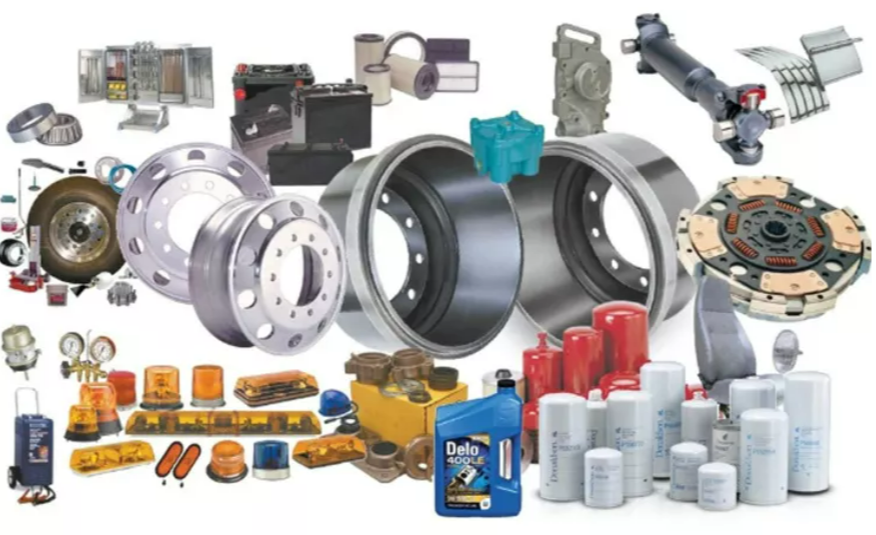
Piston rings maintain cylinder compression and control oil consumption. Worn rings or bearings cause knocking, reduced performance, and increased oil use. Timely replacement prevents deeper engine damage and ensures smooth operation.
Valves regulate airflow, while guides ensure proper alignment. Head gaskets seal combustion chambers and prevent leaks. Failure may lead to overheating, smoke, or loss of compression, making prompt replacement critical for engine health.
Spark plugs, coils, and water pumps are essential for ignition and engine temperature regulation. Poor performance in these components can cause misfires, overheating, or reduced efficiency. Replacing them promptly restores engine reliability and fuel efficiency.
Seals and gaskets prevent leaks and maintain pressure. They are always replaced during major repairs to ensure proper sealing. Neglecting them often results in oil or coolant leaks and costly secondary damage.
Part Type | Function | Common Failure Signs |
Piston Rings & Bearings | Maintain compression, control oil use | Knocking, oil consumption |
Valves & Guides | Control airflow and engine timing | Loss of compression, smoke |
Head Gasket | Seal combustion chamber | Overheating, coolant/oil mixing |
Spark Plugs & Coils | Fuel ignition | Misfires, rough idle, hard starting |
Water Pump & Cooling | Maintain temperature | Overheating, leaks |
Seals & Gaskets | Prevent leaks | Visible leaks, low oil pressure |
Remove intake ducts, air filters, and wiring harnesses to access engine components. Drain oil and coolant carefully to prevent contamination. Label or photograph removed components to simplify reassembly and reduce errors during installation.
Follow proper bolt sequences for head gaskets, and lift pistons or bearings carefully to avoid surface damage. Remove old seals, rings, and other worn parts with appropriate tools. Safe extraction prevents further engine damage and ensures new parts fit correctly.
Clean all mating surfaces thoroughly. Apply oil to moving components and install seals, gaskets, and O-rings properly. Use a calibrated torque wrench and follow manufacturer-specified sequences to ensure proper alignment and prevent premature wear.
Reconnect systems in the correct order, including wiring harnesses, intake, and cooling components. Refill engine oil and coolant, then bleed air pockets to maintain circulation. Verify all connections and fasteners before starting the engine to prevent leaks or malfunctions.
tip: Following each step carefully reduces the risk of leaks, misalignment, and component failure after replacement.
Start the engine carefully and observe for leaks, unusual vibrations, or abnormal noises. Monitor oil pressure and coolant levels, ensuring they remain stable during idle. Even minor irregularities can indicate improper installation or fluid circulation issues. Early detection prevents long-term engine damage and confirms that replacement parts function correctly.
Operate the engine at moderate RPMs for the initial break-in period. This allows piston rings, bearings, and other moving components to seat properly against mating surfaces. Avoid heavy loads, sudden acceleration, or high RPM operation to prevent stress on new parts. Gradual break-in ensures long-term performance, minimizes wear, and allows minor adjustments to settle naturally.
Conduct thorough inspections after 100–200 miles. Recheck torque on bolts, fasteners, and critical mounting points. Inspect oil, coolant, and other fluid levels to confirm no leaks have developed. Examine gaskets, seals, and other affected components. Regular monitoring helps identify minor issues before they escalate, reinforcing repair quality and ensuring reliable engine operation.
Old gaskets and seals lose elasticity, develop micro-cracks, or become brittle over time, compromising their sealing ability. Reusing them often results in oil or coolant leaks and potential engine damage. Installing new components ensures proper sealing and long-term reliability, reducing the risk of recurring repairs.
Incorrect torque can warp parts, crack components, or strip threads. Over-tightening stresses engine components, while under-tightening causes leaks and vibrations. Always use a calibrated torque wrench and follow manufacturer sequences. Proper torque ensures even pressure, maintains component integrity, and prevents premature failures in areas like cylinder heads, bearings, and valve assemblies.
Dirt, metal shavings, or debris inside the engine can cause scoring, accelerated wear, or total failure of sensitive parts. Maintain a clean workspace, wipe components thoroughly, and use lint-free cloths. Protect open engine areas from dust using covers or caps during assembly. A contaminant-free environment ensures smooth operation and longevity of new parts.
Using incorrect parts due to VIN mismatch, wrong engine type, or production year can lead to installation problems and performance issues. Always double-check part numbers against the VIN and engine specifications before ordering. Incorrect parts may not fit properly, resulting in delays, additional costs, and potential engine damage. Ensuring precise compatibility protects the repair process and engine longevity.
Regular oil and coolant changes are critical for extending the life of newly installed components. Use manufacturer-recommended oil grades and monitor coolant levels consistently. Proper fluid maintenance prevents premature wear and maintains optimal engine performance.
Inspect gaskets, seals, and ignition components regularly. Catching early wear signs prevents major failures and reduces costly repairs. Monitor for unusual noises, fluid leaks, or changes in engine performance during routine checks to maintain reliability.
Avoid aggressive driving, prolonged idling, or abrupt accelerations. Allow the engine to warm up and cool down properly to preserve replaced components. Smooth and consistent driving habits enhance longevity and ensure the engine operates efficiently over time.
Document all replaced parts, installation dates, and mileage. A detailed repair log supports troubleshooting, maintenance planning, and future resale value. Accurate records simplify subsequent repairs and provide a reference for ongoing engine care.
Replacing Landwind engine parts needs careful preparation and accurate diagnostics. Using high-quality, compatible parts ensures reliable performance. Following torque specs and post-replacement checks prevents failures. Regular maintenance and inspections extend engine life. Zibo Baiwang Machinery Co., Ltd. offers durable Landwind parts that enhance efficiency and reliability, providing real value to vehicle owners.
A: Landwind parts are the engine components that keep your vehicle running smoothly. High-quality parts maintain performance, prevent leaks, and reduce the risk of costly failures, ensuring safety and long-term reliability.
A: Replacement is needed if you notice knocking, rough idle, overheating, oil leaks, or reduced acceleration. Recognizing these signs early allows timely action, preventing more severe engine damage.
A: Follow a Landwind engine repair guide, use proper tools like torque wrenches and socket sets, disconnect the battery, and ensure correct part alignment. Proper steps protect both you and your engine.
A: Regular oil and coolant changes, inspecting gaskets and seals, driving smoothly, and recording repairs in a log keep engines efficient. Consistent care prevents premature wear and maintains performance.
A: OEM parts guarantee precise fit, durability, and warranty support. Aftermarket options may save money but require careful checking for material quality and compatibility to avoid failures.
A: Costs depend on the parts and labor. Using reliable parts and following a detailed repair guide reduces mistakes, limits long-term repairs, and ensures value for money.


