

Cell 29, Baihuayuan, Panzhuang, Zhangdian, Zibo, Shandong, China
Views: 0 Author: Site Editor Publish Time: 2025-09-17 Origin: Site


Replacing Landwind parts is key to smooth driving. Transmission issues affect performance and safety. In this guide, you will learn how to identify, replace, and maintain essential components for lasting reliability.
● The Landwind transmission system includes essential parts such as:
Valve Body: Regulates hydraulic pressure to manage gear changes.
Solenoids: Control specific hydraulic circuits for precise operation.
Clutch Packs: Engage and disengage gears to transfer torque smoothly.
Gears: Facilitate power transfer and ensure accurate speed ratios.
Seals: Prevent leaks and maintain hydraulic pressure and lubrication.
● Understanding these components is vital for identifying worn parts.
● Proper knowledge ensures correct replacement, maintaining vehicle performance and longevity.
● Erratic Shifting: Irregular or harsh gear changes indicate possible valve body or solenoid issues.
● Unusual Noises: Grinding, whining, or clunking can point to worn gears or bearings.
● Fluid Leaks: Discolored or low fluid levels may signal damaged seals or internal wear.
● Gear Slippage: Transmission unexpectedly changes gears or fails to hold engagement.
● Burnt-Smelling Fluid: Overheating or failing components can cause fluid deterioration.
● Early detection allows timely replacement of worn Landwind parts before major failures.
● Regular monitoring preserves the transmission’s overall health and operational safety.
● Transmission components have defined service lifespans that must be followed for optimal performance.
● Fluid Changes: Recommended every 30,000–60,000 miles, depending on driving conditions.
● Regular Inspection: Critical parts like seals, clutch packs, and solenoids should be checked for wear.
● Preventive maintenance, including timely part replacements and fluid servicing, extends transmission life.
● Proper cycle management reduces unexpected breakdowns and ensures consistent shifting performance.
● Understanding maintenance schedules allows technicians to plan repairs efficiently and minimize downtime.
● Authentic Landwind parts are essential for safe and reliable transmission operation.
● Risks of Counterfeit Parts: Improper fit, leaks, premature failure, and additional repair costs.
● Genuine parts maintain original specifications and preserve shifting precision.
● Ensures compatibility with all transmission systems, supporting long-term reliability.
● Investing in authentic components protects vehicle value and operational efficiency.
Diagnostic tools, such as OBD scanners, are essential for identifying faults in the transmission system. These tools allow technicians to read error codes and detect specific failures in solenoids, valve bodies, or other key Landwind parts. By accurately interpreting these codes, mechanics can target repairs effectively and avoid unnecessary part replacements. Frequent diagnostic checks ensure problems are identified early, reducing the risk of extensive damage and prolonging the life of the transmission.
Manual inspection complements diagnostic scanning by providing a physical assessment of the transmission components. Checking fluid condition, seals, clutch packs, and solenoids for signs of wear or damage gives technicians direct insight into the system’s health. Observing patterns of wear helps identify parts that may fail soon and informs replacement decisions. Combining diagnostic tools with careful manual inspection ensures a thorough evaluation of the transmission system and enhances the effectiveness of any repairs performed.
Misinterpreting symptoms or ignoring early warning signs can lead to ineffective repairs and unnecessary replacement of components. Multiple factors often contribute to erratic shifting or slipping gears, and a superficial diagnosis may fail to identify the root cause. Proper analysis of all symptoms, along with careful inspection of Landwind parts, ensures that repairs address the underlying issue rather than just treating the surface problem. Comprehensive evaluation prevents recurring issues and maintains transmission performance.
Prioritizing which components to replace first is essential for an efficient repair process. Critical parts such as solenoids or the valve body, which directly affect shifting, should take precedence. Less urgent issues, like minor seal leaks, can be scheduled for later maintenance. Prioritization ensures that the vehicle remains operational while addressing the most pressing problems effectively. Planning repairs in this manner reduces downtime and optimizes resource usage during maintenance activities.
A complete set of hand tools, including wrenches, screwdrivers, pliers, and torque wrenches, is required for safe and effective transmission repairs. Correct torque application is essential to prevent leaks, maintain proper alignment, and ensure secure installation of components. Using the right tools minimizes the risk of damage to both the transmission and surrounding parts during replacement procedures.
Specialized equipment, such as transmission jacks, fluid pumps, and seal removal tools, improves safety and precision when handling heavy components. These tools enable technicians to perform replacements without compromising part integrity or personal safety. Proper handling ensures smoother reinstallation, accurate alignment, and reduces the likelihood of mistakes during the repair process.
Personal protective equipment, including gloves, eye protection, and jack stands, is necessary to maintain a safe working environment. Transmission replacements involve heavy and complex components, and safety gear protects against injuries and accidents during the process. Incorporating proper safety measures reduces risks and allows technicians to focus on precise work.
Post-replacement diagnostics and calibration tools verify that all components function as intended. These tools measure fluid pressure, solenoid response, and overall system performance, confirming that the transmission operates optimally after installation. Using diagnostic tools ensures the quality and reliability of the repair work and minimizes the risk of future failures.
Proper preparation is the foundation of a successful replacement. Position the vehicle on a level surface, disconnect the battery, and drain the transmission fluid into an appropriate container. Secure the vehicle with jack stands to provide safe access to the transmission components. Proper preparation reduces the risk of accidents and ensures a smooth workflow during removal and installation.
Detach all obstructing components, including driveshafts, exhaust parts, and electrical connections. Support the transmission with a transmission jack while unbolting it from the engine. Careful handling prevents damage to the transmission and surrounding parts, making reinstallation easier and more precise. Following this sequence ensures both safety and efficiency during removal.
Remove the transmission pan, filters, valve bodies, and clutch packs. Conduct a thorough inspection of all components for wear or damage before replacement. Identifying worn or damaged parts at this stage ensures that only reliable Landwind parts are installed. Clean all mating surfaces to prepare for new parts and prevent leaks or alignment issues during reassembly.
Install new valve bodies, solenoids, clutch packs, and seals according to manufacturer specifications. Ensure correct alignment and torque for each component to maintain transmission performance and longevity. Proper installation restores smooth shifting, reduces wear on adjacent components, and ensures that the transmission operates at optimal efficiency.
Component | Installation Tip | Common Issue Addressed |
Valve Body | Align solenoids accurately | Erratic shifting |
Clutch Packs | Ensure proper spacing | Gear slippage |
Seals | Lubricate before installation | Fluid leaks |
Transmission Pan | Torque bolts evenly | Leaks and misalignment |
Secure the transmission to the engine, reconnect all components, and refill with the recommended transmission fluid. Carefully monitor fluid levels to avoid overheating or inadequate lubrication. Ensuring proper fluid levels and component alignment prevents future issues and maintains long-term transmission health.
Perform a test drive to verify proper operation of the transmission. Check for smooth gear shifts, fluid pressure stability, and unusual noises. Use diagnostic tools to confirm that all replaced Landwind parts function correctly and that no error codes are present. Testing ensures a reliable, high-performing transmission system after maintenance.
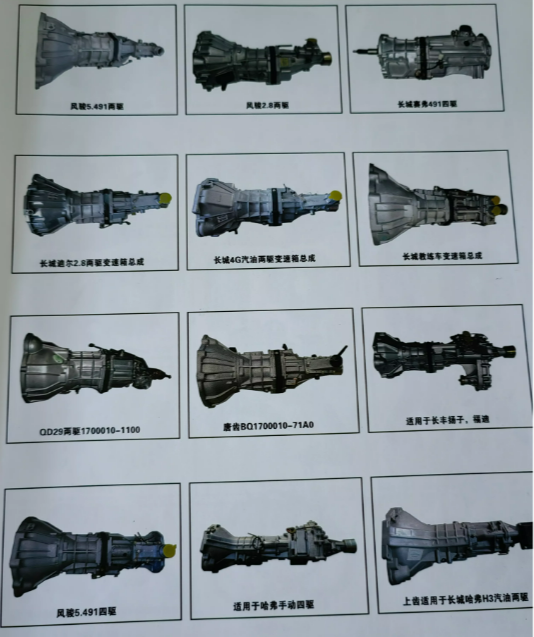
Seal deterioration or improper installation can cause fluid leaks, leading to reduced lubrication and overheating. Inspecting and replacing worn seals promptly prevents further damage and maintains transmission performance. Regular monitoring of fluid levels helps identify leaks before they become critical.
Slipping gears often result from worn clutch packs or misalignment. Replacing these components restores torque transfer and shifting accuracy. Early detection and timely replacement of worn Landwind parts prevent cascading transmission failures and maintain smooth operation.
Valve body or solenoid failures can cause erratic shifting and operational inefficiency. Identifying and replacing malfunctioning components ensures consistent gear engagement and restores transmission performance. Proper maintenance reduces the risk of sudden failures during vehicle operation.
Unusual noises or vibrations typically indicate worn bearings, misaligned gears, or damaged components. Accurate diagnosis and replacement of affected Landwind parts eliminate these issues and prevent secondary damage to other transmission components, ensuring long-term reliability.
Maintaining proper transmission fluid type, level, and condition is essential for longevity. Regular changes and monitoring prevent overheating and degradation of critical components. Consistent fluid management reduces wear on valve bodies, solenoids, and clutch packs, prolonging the overall service life of the transmission.
Frequent inspection of valve bodies, clutch packs, solenoids, and seals helps detect early wear. Preventive maintenance ensures that minor issues do not escalate into major failures. Documenting inspection findings assists in planning timely replacements, reducing unexpected downtime and repair costs.
Avoid overloading, overheating, and aggressive driving to minimize stress on transmission components. Proper operation reduces the rate of wear on critical Landwind parts and enhances reliability. Preventive measures contribute significantly to long-term system efficiency and safety.
Maintaining detailed records of fluid changes, inspections, and part replacements provides a comprehensive overview of transmission history. Logs help technicians plan future maintenance, track component lifespan, and verify that replacement intervals are met, improving reliability and reducing operational risks.
Ensure that all replacements are authentic Landwind components. Genuine parts maintain performance, fit, and reliability, whereas counterfeit alternatives often cause misalignment, leaks, or early failure.
Verify that new parts match the vehicle’s transmission model. Incorrectly fitted components can compromise shifting, fluid pressure, and overall transmission function. Proper fit is essential for safe and efficient operation.
Overhaul kits include all necessary parts for a full transmission replacement, while individual components suit targeted repairs. Choosing the right option depends on the scope of maintenance, budget, and urgency of repairs.
Investing in high-quality Landwind parts ensures long-term reliability and reduces the need for frequent replacements. Cheaper alternatives may offer short-term savings but increase the likelihood of additional failures and higher overall maintenance costs.
Replacing Landwind transmission parts ensures smooth operation and reliability. Following a proper procedure with genuine components prevents failures. Zibo Baiwang Machinery Co., Ltd. provides high-quality parts that enhance performance and durability. Their products support long-term efficiency, safety, and cost savings for Landwind X5 and X7 vehicles.
A: Landwind parts include valve bodies, solenoids, clutch packs, and seals essential for proper transmission operation.
A: Follow the Landwind transmission parts replacement procedure, using proper tools and torque specifications to ensure correct installation.
A: Genuine Landwind parts ensure reliable performance, prevent leaks, and reduce the risk of transmission failure.
A: Fluid leaks, gear slippage, and valve body malfunctions are typical problems addressed in Landwind transmission parts troubleshooting.
A: Landwind transmission parts installation tips include checking alignment, tightening bolts to specification, and verifying fluid levels before testing.


